The Tiny Card That Speaks for You: Building a Medication List for Real Emergencies

Photo: wallet medication card with prescription list and pen on table, via thumbs.dreamstime.com
Emergency rooms are good at asking questions fast. They will ask what you take, how much, how often, and who prescribed it. If you are injured, confused, or simply overwhelmed, those questions can be hard to answer. A wallet-sized medication card is a small piece of low-tech insurance against that moment.
The goal is not to duplicate your entire medical chart. It is to carry the short, high-value facts that help a clinician treat you safely. Think of it as a translator between you and the care team.
Why a card beats “it’s in the portal”
Patient portals are useful, but they are not always open, connected, or easy to search in a crisis. Different health systems may not share records instantly. A family member may know your login, but the ER clinician needs the medication list now, not after a password reset.
A card in your wallet or a clear note on your phone gives them a starting point. It also helps you answer the same questions consistently at the pharmacy, at a specialist visit, or when you are filling out paperwork.
What belongs on the card
Keep it short enough to read in thirty seconds. Include:
- Your full name and date of birth.
- An emergency contact with a phone number.
- Prescription medications: the name, dose, how often you take it, and why you take it if you know.
- Prescribers for each medication, or at least the main ones.
- Allergies and the type of reaction you had.
- Key conditions, such as diabetes, asthma, kidney disease, or a history of blood clots.
- Your preferred pharmacy and phone number.
- Over-the-counter medications and supplements you take regularly, especially blood thinners, aspirin, NSAIDs, sleep aids, and herbal products.
- Any implanted device, such as a pacemaker, if relevant.
Use both the brand and generic name when you can. “Lisinopril 10 mg once daily” is more useful than “blood pressure pill.” If you take a medication only as needed, say so and note the usual circumstances.
What can stay off the card
You do not need to include your Social Security number, full insurance policy details, or a complete visit history. Those belong in your records, not on a card that could be lost. Some people choose to include insurance information on a separate card or a folded paper behind the medication card. That is a personal privacy choice.
You also do not have to list every diagnosis in detail. “History of stroke” or “kidney disease” is enough. The point is safety, not a memoir.
Privacy choices are yours
A medication card is meant to be shared with clinicians when needed. That means you should think about who else might see it. If you keep it in your wallet, it may be visible when you pay. If you keep it on your phone, use a locked note or a medical ID feature rather than a public photo album.
Some people are comfortable listing mental health medications, pain medications, or other sensitive prescriptions. Others prefer to write “see current medication list in portal” for those. In a true emergency, more information is usually safer, but the choice is yours. You can also keep a fuller list at home and a shorter emergency card in your wallet.
Make it readable in a hurry
Use plain text, not tiny handwriting. Print it if you can. Laminate it or slip it into a clear plastic sleeve. Avoid abbreviations that only you understand. If you use a phone note, put the most critical information at the top: allergies, blood thinners, and major conditions.
A good test is to hand it to someone who does not know your health history and ask them to read it aloud. If they stumble, simplify it.
Where to keep it
Most people do best with two copies: one in the wallet and one in a phone note or medical ID. You might also keep a copy on the refrigerator if you live with family or caregivers, but only if everyone understands it is private health information. Do not leave it on a car dashboard or in a visible bag.
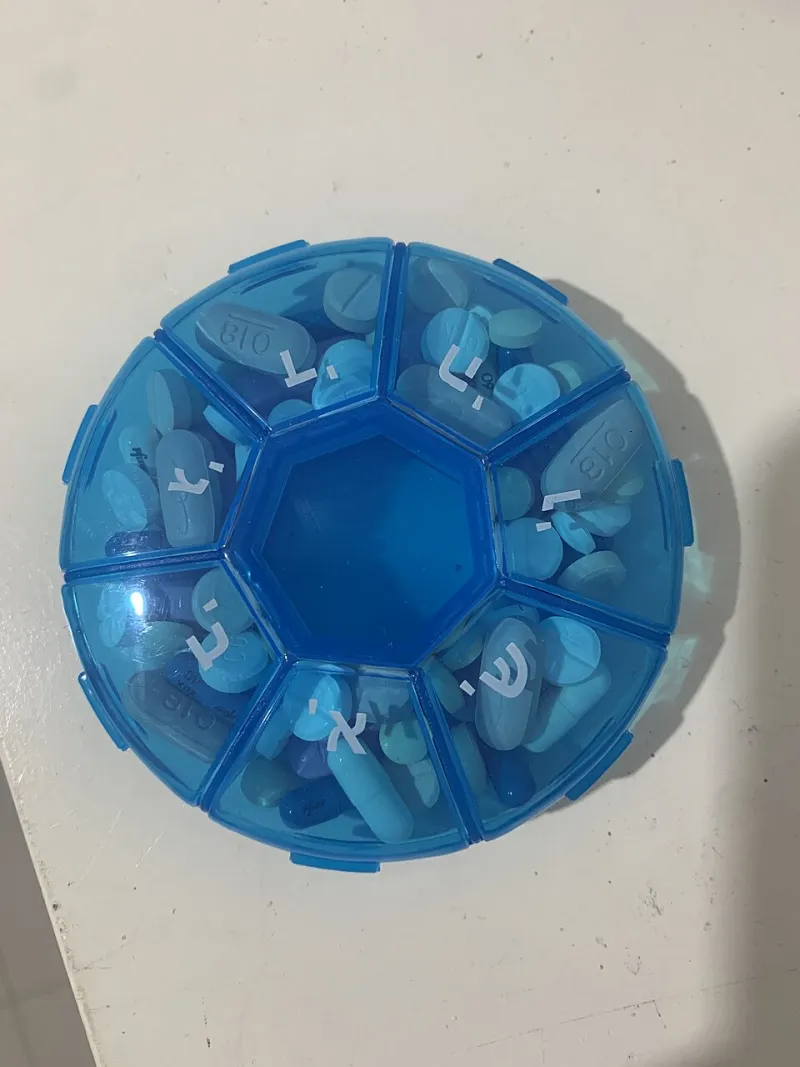
If you use a pill organizer, a small label with your name and an emergency contact is helpful but not a substitute for the medication card. The card should travel with you.
When to update it
Update the card when anything changes:
- A new prescription starts.
- A dose or frequency changes.
- A medication is stopped.
- A new allergy or reaction appears.
- You see a new prescriber for a regular medication.
- You change pharmacies.
- You start a new over-the-counter medication or supplement.
A five-minute refresh every few months is enough for most people. Pick a date you will remember, such as the first of the month or the day you refill your main prescriptions. Cross out old information cleanly or print a new card. Do not layer correction tape and hope for the best.
What ER teams and pharmacists actually need
The most useful card answers three questions: What are you taking? What are you allergic to? What major conditions affect your treatment? That is why a current card can change a conversation. It helps prevent duplicate therapy, flags interactions, and gives the care team a faster path to safe decisions.
You are not expected to be a medical recordkeeper. You are just carrying a clear summary of the facts that matter. A tiny card will not replace your clinicians, but it can speak for you when you are not at your most talkative.