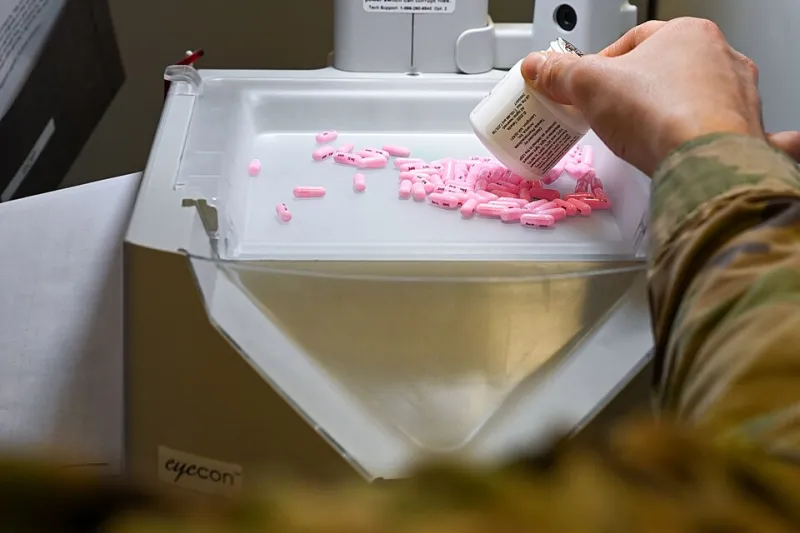
Your Pill Looks Different This Month — A Sane Guide to Generic Switches
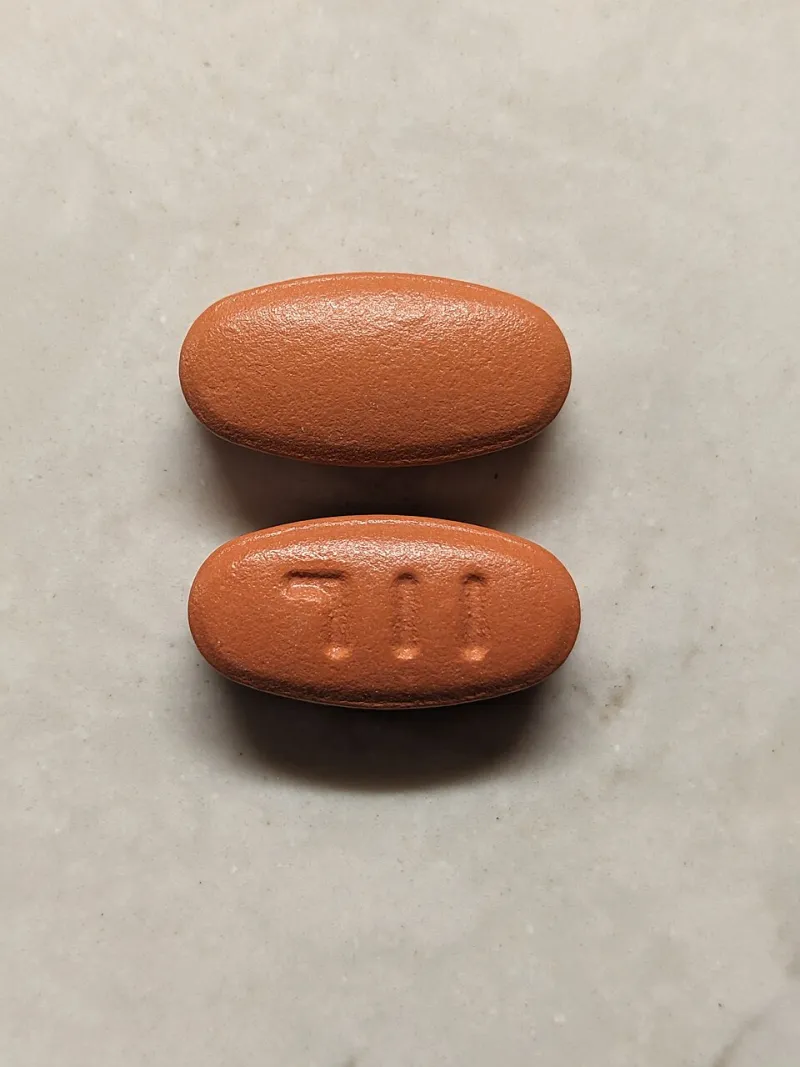
Photo: Grendelkhan, CC BY-SA 4.0, via Wikimedia Commons
You pick up a refill, open the bottle in the car, and stop. The tablets are a different color. Maybe oval instead of round, with a new number stamped on them. The label says the same drug and the same strength, but your brain is already writing a complaint.
Before you spiral: this happens constantly, and most of the time it is boringly normal. But 'usually fine' is not the same as 'always fine,' and there are a few situations where a switch deserves a real conversation instead of a shrug.
What the FDA actually checks
A generic drug is not a copy made in somebody's garage. To be approved, the manufacturer files an abbreviated new drug application and has to show the product is bioequivalent to the brand-name reference drug.
In plain terms: same active ingredient, same strength, same dosage form, and the amount of drug getting into your bloodstream has to land within an accepted range of the brand. Regulators look at two measurements — how much total drug exposure you get, and the peak concentration — and the statistical confidence interval has to fall inside roughly 80% to 125% of the brand's values. That window sounds wide until you learn it is also what regulators expect to see when the same brand is compared to itself in different studies.
The inactive ingredients do not have to match. That is the part people miss.
Why the tablet changes costume
Your pharmacy does not always buy the same label. Wholesalers stock whatever is available and priced well that month, and a single drug might come from half a dozen approved manufacturers. Each one has its own imprint code, its own color choices, its own tablet shape. Same medicine, different paint job.
Your bottle may also look nothing like the photo in your head because the pharmacist filled with a different National Drug Code than last time. That is not an error — it is a supply decision. If you want to confirm, the NDC is printed on the label and the pharmacist can tell you which manufacturer you received.
When inactive ingredients are the real story
Fillers, binders, dyes, and coatings are where the genuine patient experiences live. This is not a conspiracy; it is chemistry plus a very long list of things people react to.
Worth flagging to your pharmacist if any of these apply to you:
- Lactose in the tablet — an issue for people with a diagnosed intolerance who are also sensitive to small amounts
- Gluten in the binder, which some manufacturers use; gluten-free versions exist for several drugs
- Dyes such as FD&C Yellow No. 5, which some people react to, and which is one reason the same drug may come in a dye-free formulation
- Sulfites and benzoates in liquid formulations
- Sugar or alcohol in syrups, relevant for people managing diabetes or in recovery
- Gelatin capsules, which matters for vegetarian, vegan, and some religious dietary practices
- Aspartame in chewables and orally disintegrating tablets, since it contains phenylalanine
If a specific ingredient is a problem for you, say so. Pharmacists regularly track down an alternative manufacturer. It takes a phone call, not a miracle.
The drugs where switching deserves more attention
For most prescriptions, changing manufacturer is a non-event. For a handful of narrow therapeutic index drugs — where the gap between effective and too much is small — some clinicians prefer consistency. Levothyroxine, warfarin, phenytoin, digoxin, lithium, carbamazepine, and theophylline are the usual names on that list.
Even here, the science says approved generics are interchangeable. The practical point is different: if you are stable on a particular product and your levels are dialed in, it is reasonable to ask the pharmacy to keep you on the same manufacturer when they can, and to ask your prescriber whether you need labs after a switch.
Write this down before you call
A pharmacist can help faster if you bring specifics:
- What the old tablet looked like versus the new one — color, shape, imprint
- The manufacturer or NDC on each label
- Exactly what felt different: stomach upset, a headache, a dose that seemed to wear off early, a rash
- When it started relative to the new bottle
- Whether anything else changed — a new prescription, an antibiotic, a dietary shift, a time change
That last item matters. Plenty of 'the generic stopped working' stories turn out to be a new interacting medication or a refill taken at a different hour.
Call today, not next month
Some differences are cosmetic. Others are not, and waiting is the wrong move for these:
- Hives, swelling of the face or throat, or trouble breathing — stop the medicine and get emergency help
- A widespread rash, blistering, or peeling skin
- Vomiting or diarrhea that will not quit and leaves you dehydrated
- A return of the symptoms the drug was controlling, especially for seizures, blood pressure, thyroid, or blood thinners
- Any sign of an allergic reaction to an inactive ingredient you did not previously know about
For milder complaints — a tablet that is harder to swallow, a coating that tastes odd — mention it at your next visit. That is useful information for your pharmacist, not an emergency.
How to ask for a specific product
It is a fair request and it is usually accommodated. Ask the pharmacist whether they can order the manufacturer you prefer; if it is not in stock it may take a day or two. If your prescriber writes 'brand medically necessary' or a dispense-as-written note, insurers may cover the brand at a higher tier or may require prior authorization — so ask about the cost difference before you commit.
The bottom line
Generics are not knockoffs, and a different-looking pill is not a red flag on its own. But you are the person swallowing it, and your observations deserve to be taken seriously. Bring the bottle, bring the details, and let a pharmacist sort the cosmetic from the clinically relevant. That is what the counter is for.