Your Pharmacist Isn't Being Nosy—Here's Why Those Medication Questions Matter

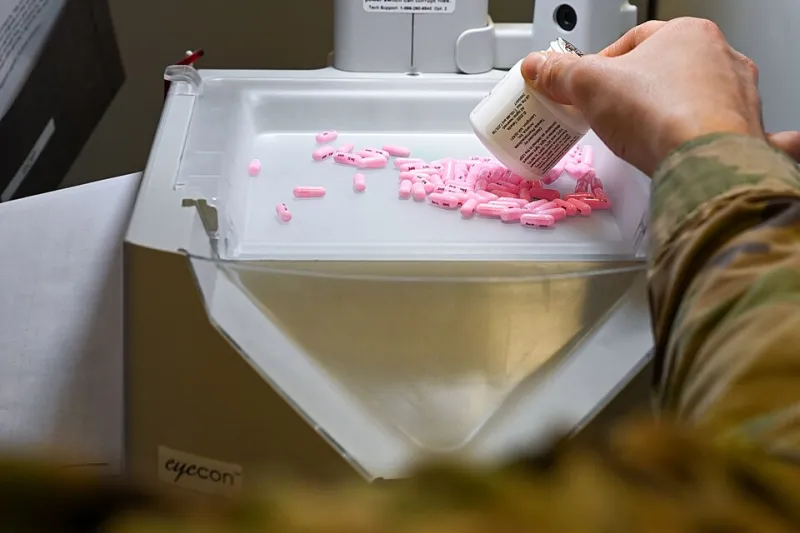
Photo: U.S. Navy NMRTC by Emily McCamy, Public domain, via Wikimedia Commons
You are at the pharmacy pickup window. The pharmacist slides your bag across the counter and then asks, “Are you taking any vitamins or supplements? Anything over the counter? Do you drink alcohol?” You might think, “I just came for my blood pressure pill—why all the questions?”
It can feel nosy. It is not. Those questions are how pharmacists catch problems before they become emergency room visits, unexplained side effects, or a medicine that quietly stops working. The pharmacy counter is one of the few places in the health care system where someone can look at the whole picture—if you let them.
The short version: interactions are not rare
Drug interactions happen when one substance changes how another works. Sometimes the change is mild. Sometimes it is serious. A supplement can make a blood thinner too strong. An over-the-counter pain reliever can raise blood pressure. Alcohol can turn a sleepy medication into a dangerous one. Two prescriptions from two different doctors can contain the same active ingredient without anyone realizing it.
Pharmacists are trained to spot these patterns. But they can only spot what they know about. That is why the questions start with “What else are you taking?”—and why the answer matters more than people think.
“I only take one prescription.” Are you sure?
Many people think of “medications” as the prescription bottles in the cabinet. Pharmacists think about everything that goes into your body: prescription drugs, over-the-counter pain relievers, cold and allergy products, antacids, sleep aids, herbal supplements, vitamins, and even topical creams that can be absorbed. Alcohol and recreational substances count too.
A relatable example: a patient takes a prescription blood thinner and adds a daily fish oil supplement because a friend said it was good for heart health. Fish oil can increase bleeding risk. Another patient takes a prescribed sedative and uses an over-the-counter sleep aid containing diphenhydramine. Both make you drowsy, and together they can impair driving and increase fall risk.
The same ingredient can hide in several products
This is one of the most common surprises. Acetaminophen is in Tylenol, but it is also in many cold and flu products, sinus medicines, and prescription pain relievers. If you take Tylenol for a headache and a nighttime cold medicine for congestion, you might accidentally exceed the safe daily limit without ever taking two products with the same name.
Ibuprofen and naproxen are in many “PM” products and combination pain relievers. Diphenhydramine is in allergy pills and sleep aids. Pseudoephedrine can hide in sinus products. The labels are not always obvious, especially when the front of the box says “multi-symptom” or “nighttime.”
When a pharmacist asks what over-the-counter products you use, they are often checking for duplicate therapy—two products doing the same job with the same ingredient. That is not a small issue. Duplicate acetaminophen can harm the liver. Duplicate NSAIDs can cause stomach bleeding and kidney problems.
Why they ask about alcohol
Alcohol is a drug. It interacts with many medicines. Some combinations are well known: alcohol with benzodiazepines or opioids increases sedation and breathing risk. Alcohol with metronidazole can cause a severe reaction. Alcohol with certain diabetes medicines can raise the risk of low blood sugar.
But the questions are not always about heavy drinking. A nightly glass of wine can matter with some medications. So can occasional binge drinking, even if it is rare. The pharmacist is not keeping a tally for a morality report. They are checking whether a medicine and alcohol could interact in a way that affects your safety.
If you are uncomfortable answering, you can say, “I would rather not get into details, but I do drink occasionally.” That gives the pharmacist enough to flag a concern without asking you to share more than you want.
“But I fill my other prescriptions somewhere else”
This is a big one. If you use three pharmacies—one for your local prescriptions, one mail-order for a maintenance drug, and one chain store near your parents' house—no single pharmacist sees the whole list unless you tell them. That is how duplicate therapy and interactions slip through.
A pharmacist can call another pharmacy or check a shared database in many states, but it is not always complete. The simplest fix is to use one pharmacy for everything when you can. If you cannot, keep a written list and show it at every pickup. Ask your pharmacist to update your profile with anything filled elsewhere.
What the pharmacist actually does with your answers
When you mention a supplement or an over-the-counter product, the pharmacist may:
- Check a database for interactions with your prescriptions.
- Notice that two products contain the same active ingredient.
- Ask whether you have kidney or liver problems that change the risk.
- Suggest a different over-the-counter option or timing.
- Contact your prescriber if a change is needed.
They are not diagnosing you. They are not replacing your doctor. They are doing a safety check that is easy to skip and hard to replace.
How to make the conversation easier
Keep a current medication list in your wallet or phone. Include prescription drugs, over-the-counter products you take regularly, vitamins, herbal supplements, and anything you use only sometimes. Note the dose and how often you take it. If you use a pill organizer, snap a photo of it.
When you pick up a new prescription, say: “I want to make sure this is safe with everything else I take.” Then hand over the list. If you do not have one, ask the pharmacist to print your profile and update it with you at the counter.
Before you start a new over-the-counter product or supplement, ask the pharmacist: “Does this interact with anything on my profile?” That one question takes thirty seconds and can prevent a lot of trouble.
Not nosy—just thorough
Your pharmacist is not trying to get into your personal business. They are trying to keep you out of the emergency department. The questions about supplements, over-the-counter products, alcohol, and other pharmacies are not busywork. They are the raw material of a safety review.
So the next time you are asked, take a breath and answer as clearly as you can. If you do not know, say so. The pharmacist can work with “I'm not sure” a lot better than with silence. Clear answers at the counter are not just for your wallet—they are for your safety.